It’s a Better Than O(K) Time For Potash
Oct 27, 2026
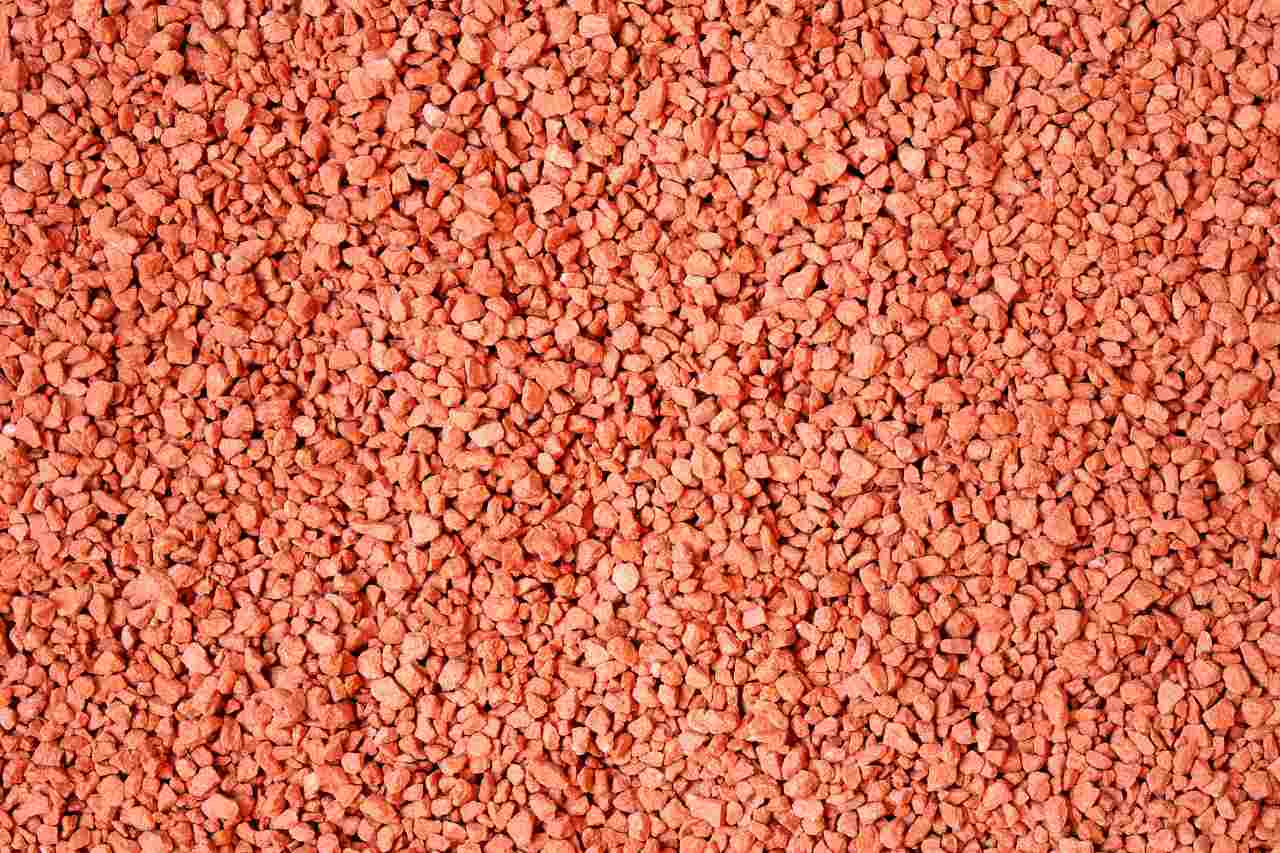
We’ve talked a lot about soil testing in this space recently, because this time of year is perfect not only for testing your soil but for doing something about the results. For example, if your soil test shows a potassium (K) deficiency, now is an ideal time to apply potash to your fields.
“If you put down your potash in the fall, it has time to break down,” said Dan Klinke, Federated agronomy sales rep in Osceola. “That way, it’s available for your plants in the spring. Plus, making your soil corrections now will lighten your workload in the spring.”
A fall application of potash can address multiple nutrient deficiencies in the soil. If your plants are short on potassium, they’ll be more vulnerable to drought, temperature fluctuations, and excess moisture. Potassium is also a key factor in your plants’ ability to absorb nitrogen efficiently, so it’s a double-barrelled nutrient.
In lighter ground, you want to see a minimum of 125 parts per million of potassium. In heavier ground, 200 parts per million is optimum. For hay and grass, potassium is the top nutrient required, so it’s important to build it up in the soil. “Hay takes a lot of potassium,” Klinke said. “Any grass crop does. Same for legumes. Pretty much anything we grow needs a lot of potassium, so applying potash now just makes sense.”
“Potassium levels in your soil can change fairly quickly,” said Kevin Carlson, Federated agronomy sales manager. “So that’s why soil testing is important. The lighter the soil texture, the quicker it can change.”
Your potassium levels post-harvest can vary depending on the harvested crop, but it’s always important to get the levels right if you want high yields. Soybeans, for instance, take a lot of potassium to grow, which removes it from the soil. “Corn, however, doesn’t take a lot of potassium out of the soil, but it takes a lot to build the factory,” Carlson said. “In corn, nitrogen and potassium are married nutrients. Potassium is like the grain elevator. You need potassium to get the nitrogen into the plant. One doesn’t work well without the other. You have to build the mechanism.”
For optimum nitrogen uptake and management, a corn plant needs potassium at the correct levels. “Without potassium,” Carlson said, “the nitrogen is staged in the corner and doesn’t make it into the plant as it should.”
“Get your soil test done now, so you can apply your potash now,” Klinke concluded. “Potash is generally cheaper in the fall, and it should be applied before tillage so it can get to the root zone. And -maybe most importantly- getting it done after harvest means you have one less thing to worry about later.”
Contact your Federated Agronomist to set up your fertilizer applications today.